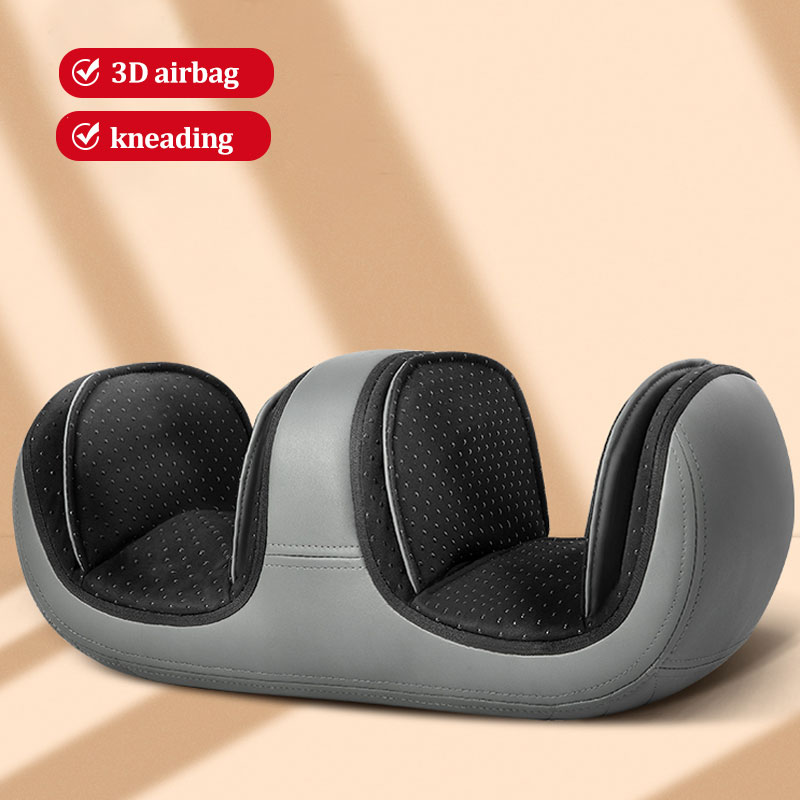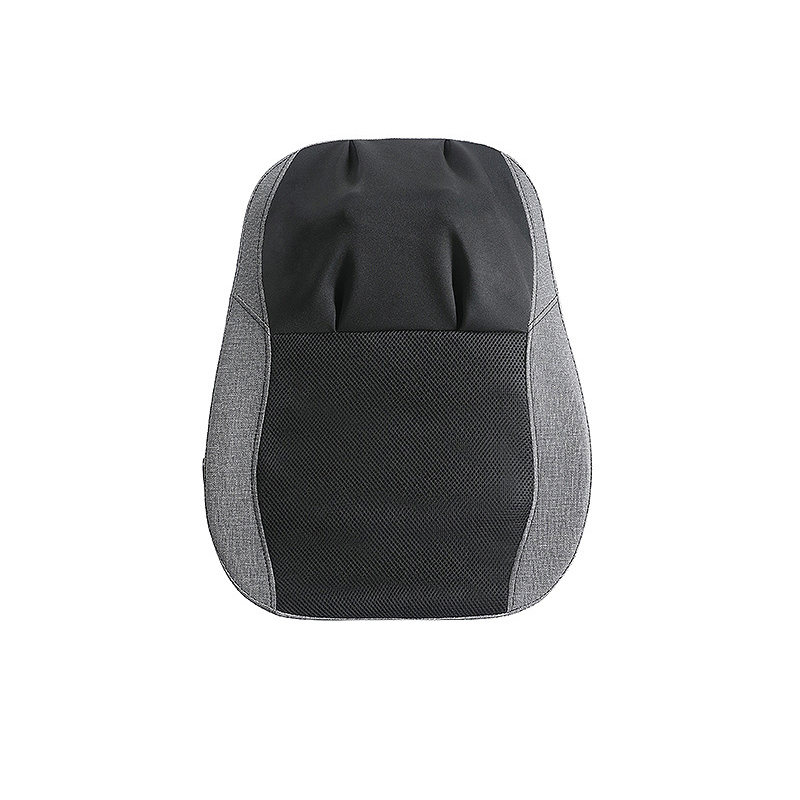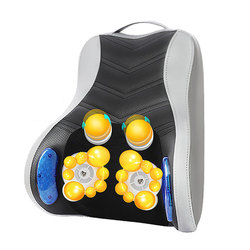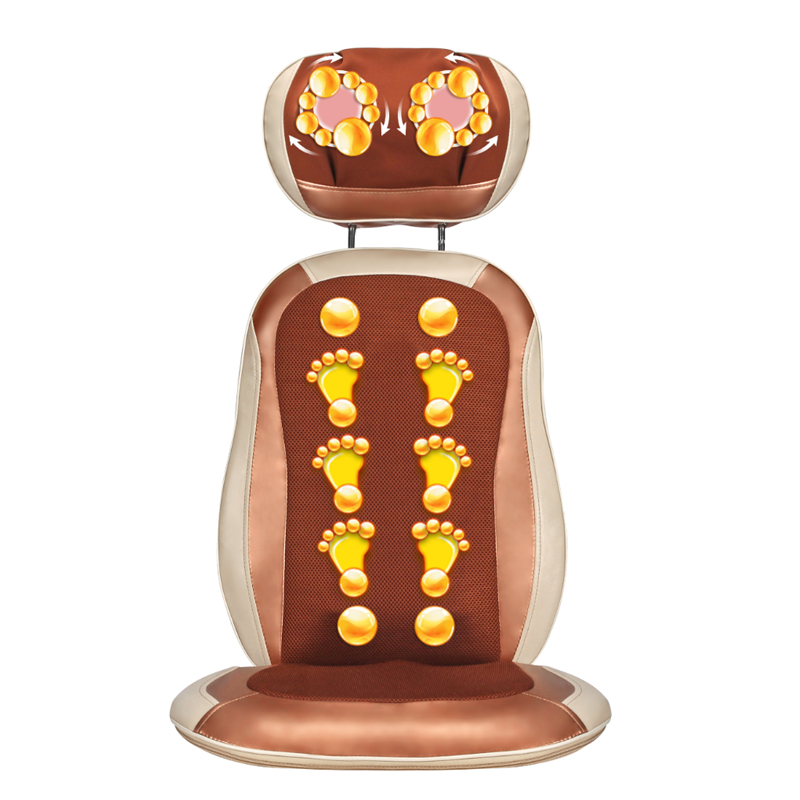

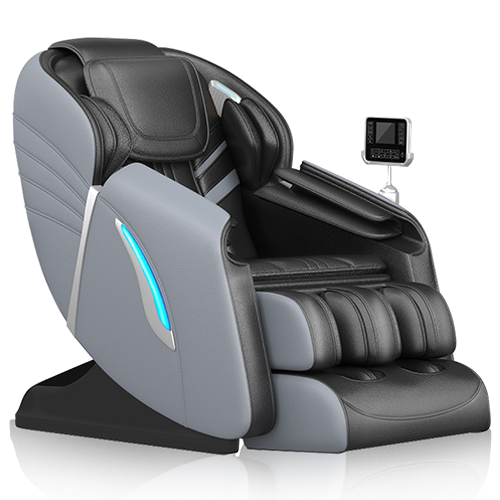
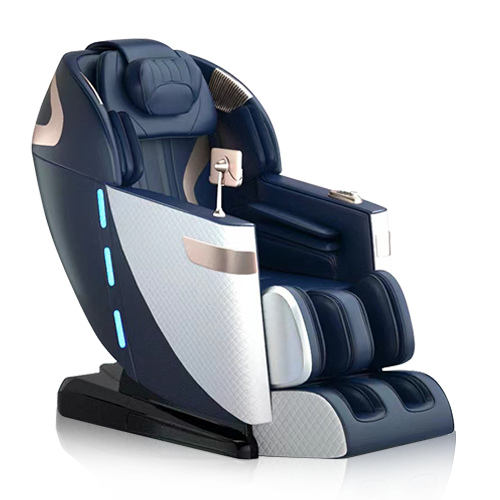
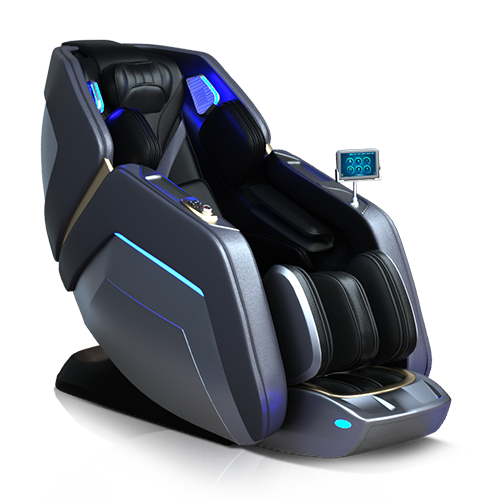
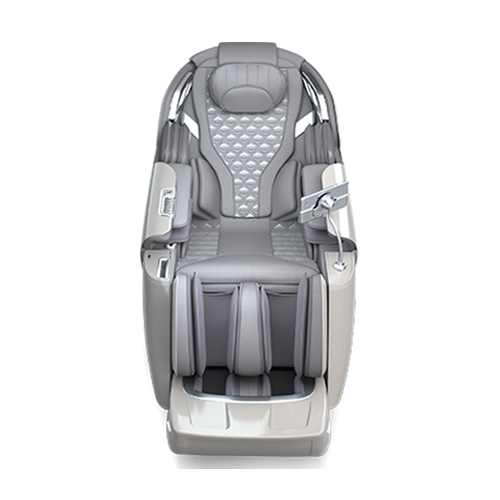
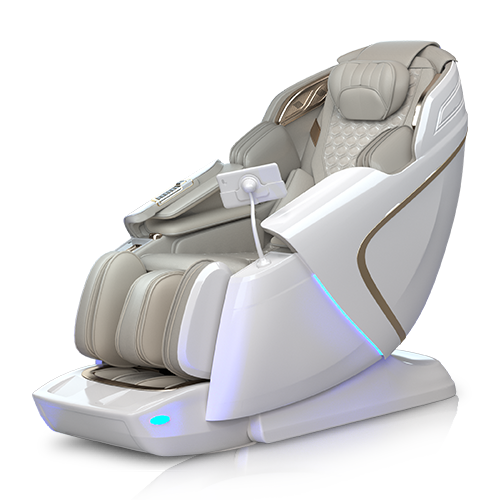
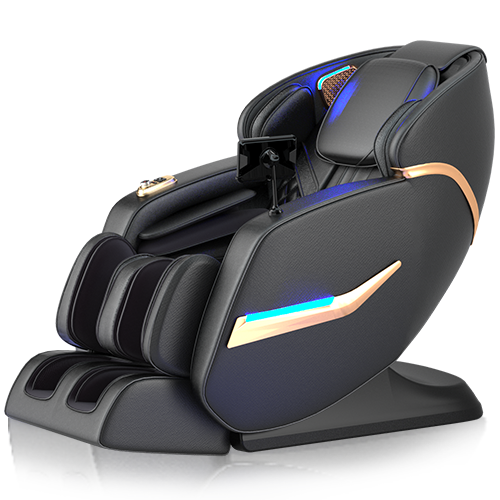

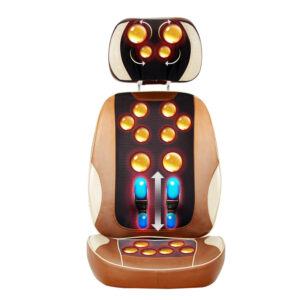


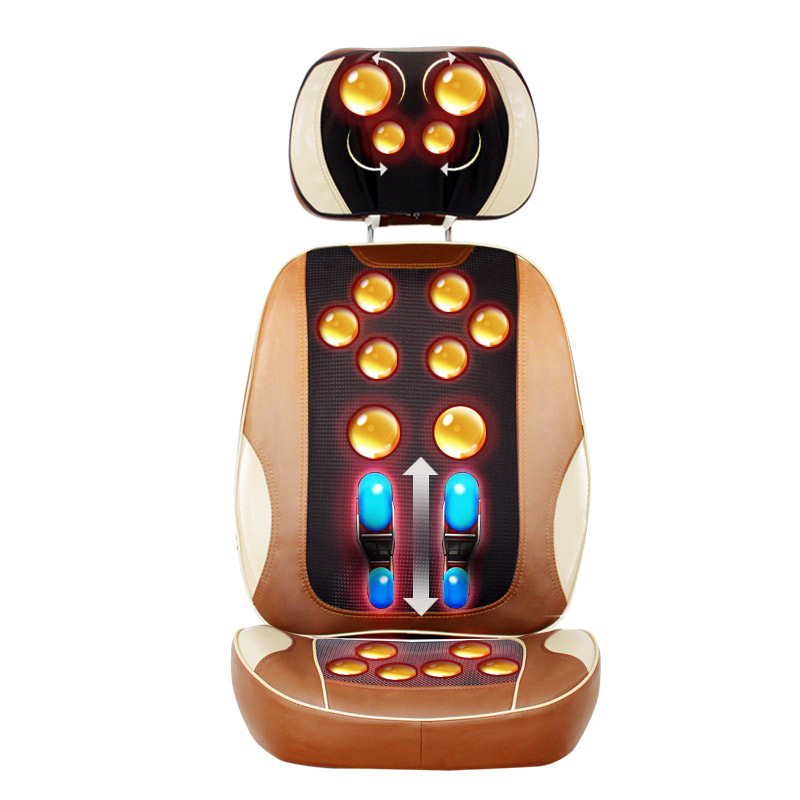
                           Product net weight size:83*23*48cm

Gross/net weight:10kg/8.2kg

Mechanism Type:Non-airbag structure

Material :ABS + wear-resistant fabric + sponge + semi-PU

Massage place:Neck, waist, back, legs, hands

Massage Techniques:Kneading + back opening + hot compress

Massage time:No fixed time, recommended for 15 minutes

Heating Temperature:Constant temperature: 45±5°C
Discover comfort and relaxation with this ergonomically designed full-body massager. Featuring a non-airbag structure, it delivers effective kneading, back-opening, and hot compress techniques that target the neck, waist, back, legs, and hands, helping to ease muscle tension and fatigue.
Made from a combination of ABS, wear-resistant fabric, sponge, and semi-PU, this massager offers both durability and user comfort. The integrated heating system maintains a consistent temperature of 45±5°C, enhancing muscle relief through gentle warmth.
Perfect for home, office, or spa environments, this full-body massager provides a powerful yet soothing experience, ideal for stress relief and daily relaxation.
A device for measuring blood pressure is a medical instrument designed to monitor the pressure of blood flowing through the arteries. It consists of a cuff that is wrapped around the upper arm, a pump to inflate the cuff, and a pressure gauge that indicates the pressure of the blood flow. The device works by measuring the force of blood against the walls of the arteries during each heartbeat, known as systolic pressure, and the pressure between beats, known as diastolic pressure. Blood pressure is measured in millimeters of mercury (mmHg), and a healthy blood pressure reading is typically considered to be around 120/80 mmHg. There are various types of devices for measuring blood pressure, including manual devices that require a stethoscope to listen for the heartbeat, and automated devices that use sensors to detect the pulse and provide digital readings. Automated devices may be further classified as arm-cuff monitors or wrist-cuff monitors. Blood pressure monitors are an essential tool for individuals with hypertension, or high blood pressure, as well as for those with other cardiovascular conditions. They can also be used by healthcare professionals in clinical settings to monitor patients' blood pressure during routine check-ups or when assessing symptoms. When selecting a blood pressure monitoring device, it is important to consider factors such as accuracy, ease of use, and reliability. Many modern devices may also include additional features such as memory storage, Bluetooth connectivity, and mobile apps for tracking and analyzing blood pressure data over time.